
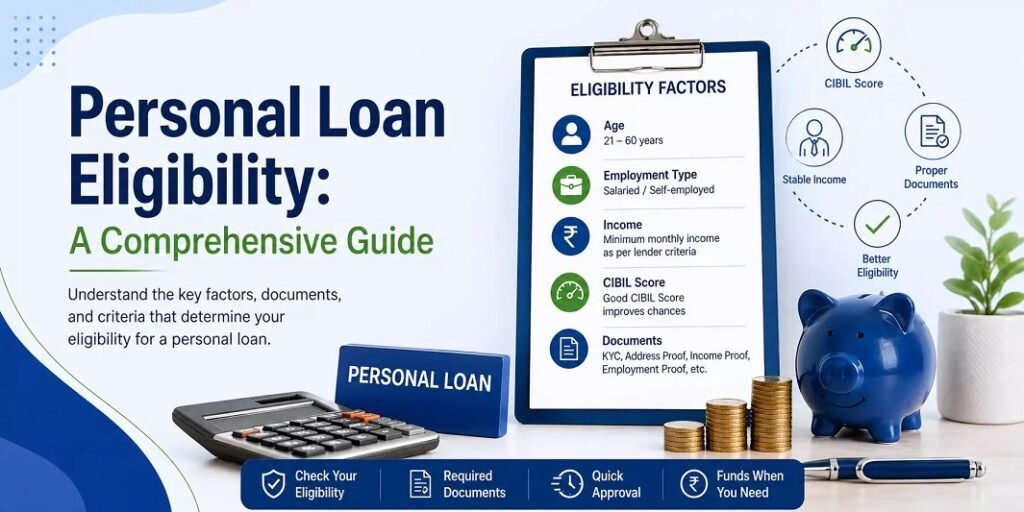
Replacing the traditional borrowing method of lengthy paperwork and delayed approvals, digital lending via instant loan apps has transformed the entire borrowing experience with faster and more efficient verification methods. With digital lending, borrowers can complete their entire loan application online and receive approvals quickly.
During the loan application process, the document that is most important and always asked for by lenders is a bank statement. While many borrowers think that lenders only check their bank balances, it is important to know that the evaluation process is more comprehensive.
To determine whether a loan applicant can manage the future repayments comfortably, a loan app analyses many financial indicators within the bank statement. Understanding how this assessment works can help borrowers improve their financial profiles and increase their chances of approval.
Why Bank Statements are Important?
Providing a detailed overview of an individual’s financial behaviour, a bank statement helps lenders to understand income patterns, financial obligations, spending habits, repayment capacity and overall financial stability of a borrower.
Through advanced technology and electronic records, online lenders review financial information more efficiently compared to traditional verification methods that relied on extensive documentation.
To understand the complete financial health of a borrower, here is the information that instant loan apps evaluate from bank statements:
- Consistency of the income
- Spending habits and patterns
- Existing financial commitments
- Cash flow management
- Repayment capacity
Regular Income Patterns
Consistency of income deposits is one of the first factors determined by the lender. It offers reassurance and demonstrates the financial stability of the borrower, stating that they can manage repayments over the period.
Rather than preferring someone with an irregular income, lenders prefer users with consistent income deposits, which creates a stronger financial profile. While loan applicants with fluctuating income may qualify under a loan app’s eligibility criteria, they may need to provide some additional documents.
Lenders typically review:
- Salary credits
- Business income
- Professional payments
- Pension deposits
- Other recurring sources of income
Monthly Spending Behaviour
Your spending habits are also revealed by your bank statements. Lenders typically evaluate whether the borrower can manage finances responsibly or exceeds available funds. The applicant’s budgeting and repayment responsibilities are demonstrated through their responsible financial management.
Several spending patterns may receive additional attention, including:
- Frequent overdrafts
- Unusually large withdrawals
- Excessive discretionary spending
- Irregular account activity
Existing Financial Obligation
Before approving the additional borrowing, instant loan apps review current obligations of the applicant. Your existing repayments and other financial responsibilities are revealed by your bank statements, and the assessment helps understand whether a borrower can manage another repayment obligation without creating unnecessary strain on the budget.
Before submitting an application, borrowers should assess their financial commitments and confirm they have enough capacity to repay.
Cash Flow Management
Another important indicator used during the eligibility assessment is cash flow. Whether the income exceeds expenses on a regular basis is demonstrated as positive cash flow. On the other hand, negative cash flow indicates stress and influences the eligibility decisions.
Loan apps usually look for consistent account balances, stable income, responsible expense management, and healthy financial habits.
Account Stability
Eligibility assessment for a loan application also includes the length and stability of banking relationships. Loan apps get more confidence and prefer applicants who have a well-maintained account and a consistent transaction history.
Financial discipline, banking behaviour, income reliability and transaction consistency are some of the factors that reflect the account stability of a loan applicant. Lenders usually ask for additional verification if there are frequent account changes or inconsistent activity.
Maintaining an active and organised banking history can support future borrowing opportunities.
Common Banking Habits That Can Affect Eligibility
The borrowing opportunities for an applicant can be improved with small improvements in financial management. Here are some habits that they should take care of before submitting an application:
1. Avoid unnecessary transactions, as they can complicate the financial evaluations.
2. Regular budgeting and maintaining financial discipline show your responsible money management.
3. Review your existing obligations and bring them under control to improve repayment capacity.
4. The banking records should be accurate and organised to simplify the verification process.
5. Reviewing account activity beforehand helps borrowers identify and address potential concerns.
Final Thoughts
Understanding how lenders evaluate a bank statement can help borrowers prepare for the application process more effectively. Factors such as income stability, spending patterns, existing financial obligations, and overall account management all contribute to eligibility decisions. By maintaining healthy financial habits and keeping banking records organised, borrowers can improve their chances of receiving approval and avoid unnecessary delays.
For individuals exploring digital borrowing options, Bajaj Finserv, a loan app, offers a straightforward and hassle-free lending experience. The platform is designed to make borrowing more convenient through a fully digital process, flexible repayment tenures, transparent terms and conditions, and quick approvals for eligible applicants. With no collateral requirements and no external charges, Bajaj Finserv enables borrowers to access financial assistance through a secure and user-friendly platform while maintaining greater control over their financial planning.