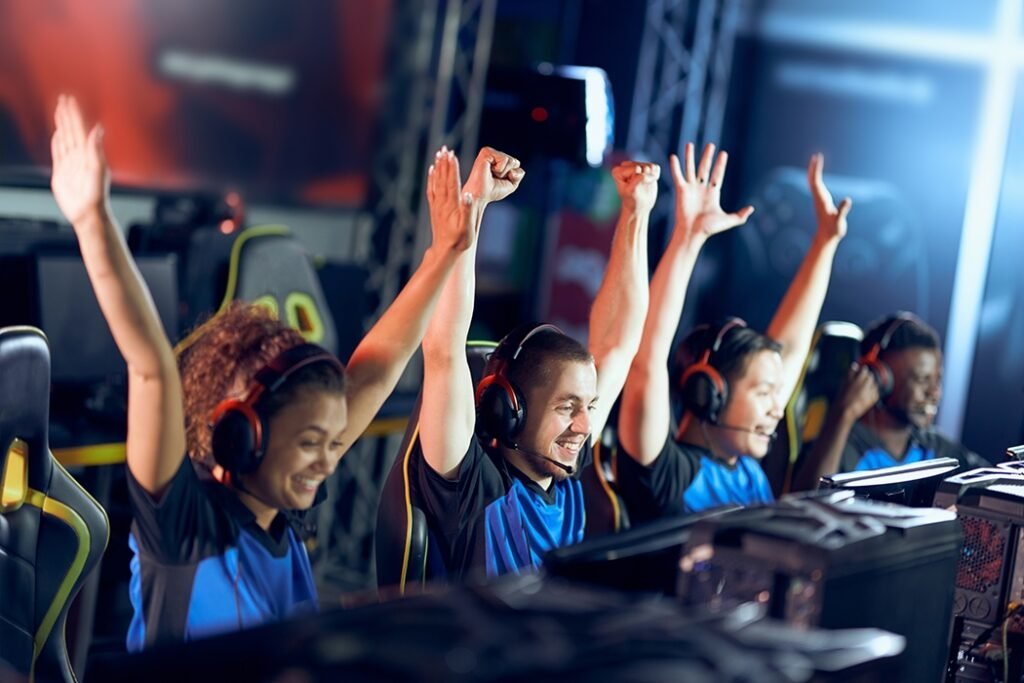

Esports has transformed from a niche hobby into one of the fastest-growing entertainment industries in the world. What was once considered casual gaming has evolved into a professional competitive environment where talented players, organized teams, and millions of passionate fans come together. Today, esports tournaments fill large arenas, attract global audiences, and create opportunities for players, sponsors, and businesses.
The growth of esports reflects the changing relationship between technology, entertainment, and competition. With advancements in internet connectivity, streaming platforms, and gaming technology, competitive gaming has become accessible to people across the globe. Players can now compete internationally without leaving their homes, while fans can watch live matches from anywhere.
Understanding Esports and Competitive Gaming
Esports refers to organized video game competitions where professional players or teams compete against each other. These competitions can involve various genres, including strategy games, multiplayer online battle arenas, first-person shooters, sports simulations, and battle royale games.
Unlike traditional gaming, esports requires dedication, teamwork, and advanced skills. Professional players spend many hours practicing strategies, improving reaction times, and studying opponents. Similar to traditional athletes, esports professionals need discipline, focus, and mental strength to perform at the highest level.
The Growing Popularity of Esports
The popularity of esports has increased dramatically over recent years. Millions of viewers now watch major tournaments through online streaming platforms, while dedicated fans follow their favorite teams and players throughout competitive seasons.
One of the main reasons behind esports’ success is its accessibility. Anyone with a computer, gaming console, or mobile device can participate and develop their skills. This creates opportunities for talented individuals who may not have access to traditional sports facilities.
Esports has also attracted younger generations because it combines entertainment, competition, and technology. Many fans enjoy watching professional players demonstrate creativity, strategy, and quick decision-making during intense matches.
The Professional Esports Industry
Esports has developed into a serious professional industry with teams, coaches, analysts, sponsors, and event organizers. Professional players can earn income through tournament prizes, sponsorships, streaming, and brand partnerships.
Major esports organizations invest in player development, training facilities, and performance improvement. Teams often have coaches who analyze gameplay, create strategies, and help players maintain peak performance.
The industry has also created new career opportunities beyond playing. Commentators, content creators, event managers, game analysts, and marketing professionals all contribute to the growing esports ecosystem.
The Role of Technology in Esports Growth
Technology is one of the biggest factors behind the success of esports. High-speed internet allows players from different countries to compete in real-time, while streaming services enable fans to watch tournaments instantly.
Modern gaming equipment, including advanced computers, controllers, and accessories, helps players achieve better performance. Game developers also continue to improve competitive experiences by introducing updates, balancing gameplay, and creating exciting new challenges.
As technology continues to advance, esports is expected to become even more immersive. Virtual reality, artificial intelligence, and improved digital platforms may shape the future of competitive gaming.
Esports and the Psychology of Competition
Success in esports requires more than technical ability. Players must develop strong mental skills to manage pressure, stay focused, and make quick decisions. Competitive gaming involves intense situations where one mistake can change the outcome of an entire match.
As the saying goes, “People generally see what they look for, and hear what they listen for. Happiness in intelligent people is the rarest thing I know. We are masters of the unsaid words, but slaves of those we let slip out.” This idea reflects the importance of awareness and mindset in esports. Players must understand their own strengths and weaknesses while learning from every experience.
The Future of Esports
The future of esports looks promising as more people recognize gaming as a legitimate form of competition and entertainment. Educational institutions are beginning to explore esports programs, while companies continue investing in gaming-related projects.
As the industry grows, esports will likely become more connected with mainstream sports and entertainment. International competitions, professional leagues, and larger audiences will continue to push esports toward new heights.
Conclusion
Esports has proven that gaming is more than a form of entertainment; it is a global competitive platform that rewards skill, teamwork, and dedication. From professional players to passionate fans, esports has created a worldwide community built around technology and competition.
With continuous innovation and increasing recognition, esports will remain one of the most exciting and influential industries of the modern era. Its journey from small gaming communities to global tournaments shows the incredible potential of digital competition.