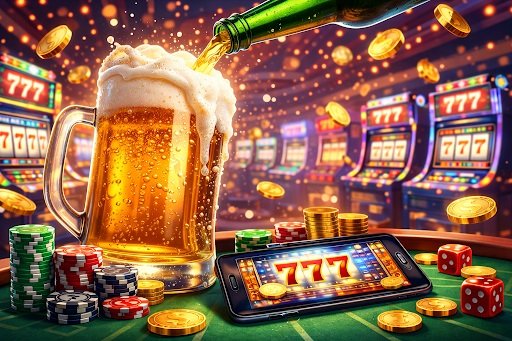
Casinos are famous for flashing lights, high-energy games, and an environment designed to keep players engaged for hours. One of the most subtle yet powerful tools casinos use is cheap or complimentary beer and drinks. At first glance, this might seem like generosity, but it’s actually a calculated business strategy rooted in psychology, behavioral economics, and customer retention.
Whether players are visiting luxury resorts in Las Vegas or exploring online platforms like 4Rabet Game in India, casinos understand that enhancing the entertainment experience increases engagement and spending. Cheap beer is not just a perk — it’s a strategic investment that encourages longer playtime, higher wagers, and stronger emotional connections to the gaming environment.
Let’s break down why casinos intentionally keep beer prices low and how it benefits their business model.
The Psychology Behind Cheap Alcohol in Casinos
Alcohol reduces inhibitions and increases risk-taking behavior. When players consume beer, they often become more relaxed and willing to place larger bets. This psychological effect is well-documented in behavioral studies: mild intoxication can make individuals more optimistic about outcomes and less cautious with money.
Casinos leverage this by offering affordable drinks, knowing that the potential increase in gambling activity far outweighs the cost of the alcohol.
Keeping Players at the Tables Longer
Casinos make money when players stay longer. Cheap beer encourages guests to remain on the casino floor instead of leaving to find cheaper drinks elsewhere. The longer a player stays, the more likely they are to continue betting, which increases the casino’s expected profit.
In simple terms: More time gambling = more house edge applied = more revenue.
Beer acts as a retention tool that keeps players engaged without feeling pressured.
Creating a Fun and Social Atmosphere
Casinos don’t just sell gambling — they sell an experience. Cheap beer contributes to a festive, social environment where players feel relaxed and entertained. When guests associate positive emotions with the casino, they are more likely to return.
A lively atmosphere also encourages group play, celebrations after wins, and a sense of community, all of which drive loyalty and repeat visits.
Cross-Selling and Ancillary Revenue
In business, a loss leader is a product sold at a low price to attract customers and stimulate other purchases. Cheap beer is a classic example of this strategy.
While the casino might make little or no profit on beer, they gain revenue from:
- Slot machine play
- Table games
- Hotel bookings
- Restaurants and shows
- VIP memberships
The beer itself is not the profit center — it’s a tool to increase overall customer spending.
The Cost-Benefit Equation for Casinos
From a casino’s perspective, beer is extremely cheap relative to gambling profits. A single slot machine or blackjack table can generate thousands of dollars per hour, while the cost of beer per customer is minimal.
Even if a casino spends a few dollars per player on drinks, the expected return from increased gambling activity can be exponentially higher.
Encouraging Risk-Taking Behavior
Research shows that alcohol can reduce risk aversion and increase impulsivity. This is exactly the behavior casinos benefit from. Players who might normally play conservatively may become more adventurous after a few drinks.
This doesn’t mean casinos want players to be heavily intoxicated — responsible gaming policies still apply — but mild intoxication can increase engagement and betting frequency.
Brand Loyalty and Customer Experience
Cheap beer contributes to positive memories associated with the casino. When players recall a fun night with affordable drinks and exciting games, they are more likely to return.
Casinos invest heavily in customer experience because repeat customers are far more valuable than one-time visitors. Beer is a small cost for building long-term brand loyalty.
Competing with Other Entertainment Options
Modern casinos compete not only with other gambling venues but also with streaming services, nightclubs, sports events, and online gaming platforms. Cheap beer helps casinos position themselves as affordable entertainment destinations.
By offering low-cost drinks, casinos reduce the perceived cost of spending time there, making them more attractive than other nightlife options.
The Economics of Player Psychology
Cheap beer creates a perception of value. Players feel they are getting something for free or at a bargain, which increases their satisfaction and willingness to spend elsewhere in the casino.
This psychological effect is similar to loyalty programs or free bonuses in online casinos — small perks that increase overall spending behavior.
Online Casinos and the “Digital Beer” Equivalent
In online gambling platforms, casinos cannot offer physical beer, but they use similar strategies such as:
- Welcome bonuses
- Free spins
- Cashback offers
- VIP rewards
These digital perks serve the same purpose as cheap beer in physical casinos: increasing engagement, retention, and betting volume.
Potential Downsides and Ethical Considerations
While cheap beer is a smart business strategy, it raises ethical concerns. Alcohol can impair judgment and contribute to problem gambling. Many jurisdictions regulate alcohol service in casinos to ensure responsible consumption.
Modern casinos increasingly promote responsible gaming practices, including drink limits, self-exclusion programs, and educational campaigns.
Lessons for Businesses Beyond Casinos
The strategy of cheap beer teaches valuable business lessons:
- Use loss leaders to attract customers.
- Focus on customer experience, not just direct profit.
- Leverage psychology to increase engagement.
- Encourage longer customer interaction with your product.
Casinos are masters of behavioral economics, and their approach to alcohol pricing is a textbook example of strategic customer engagement.
Why Players Love Cheap Beer
From the player’s perspective, cheap beer makes gambling more enjoyable. It reduces stress, adds social value, and enhances the entertainment experience. Many players see it as a perk that justifies spending time and money in a casino.
This mutual benefit — players enjoying themselves and casinos increasing revenue — explains why the strategy has persisted for decades.
Conclusion
Cheap beer in casinos is far from random generosity — it is a carefully engineered business strategy designed to maximize engagement, increase betting, and build long-term customer loyalty. By lowering inhibitions, extending playtime, and enhancing the entertainment experience, casinos turn a low-cost product into a powerful revenue driver.
Whether in physical casinos or digital platforms, the underlying principle remains the same: invest in small perks to generate big returns. Cheap beer is just one of many psychological tools casinos use to keep players entertained, engaged, and coming back for more.