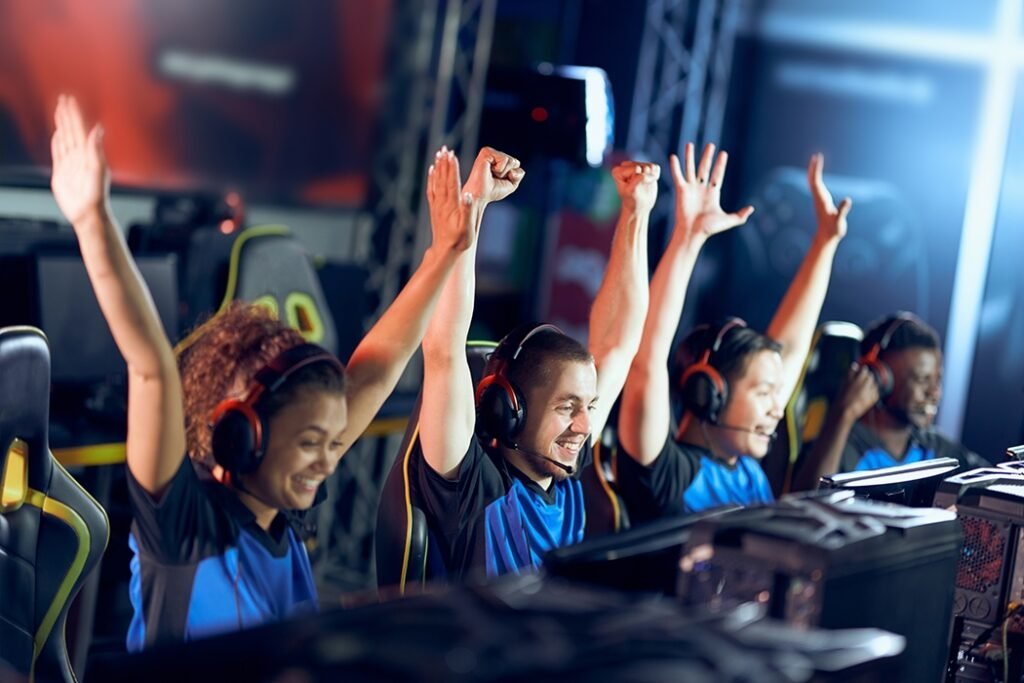
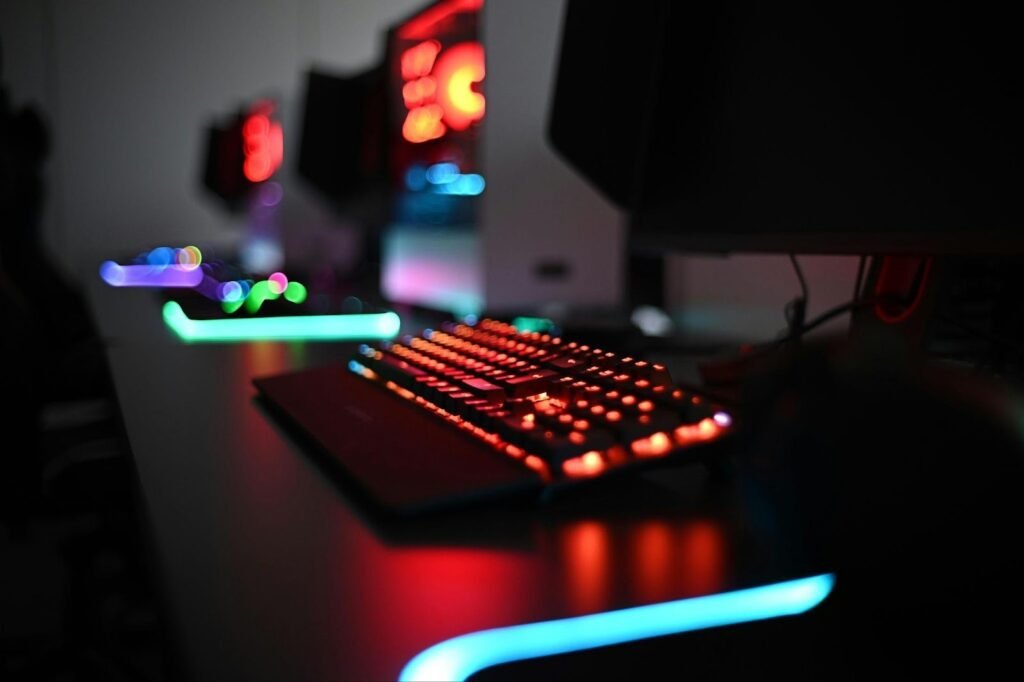
In 2026, Filipino esports feels less like a side hobby and more like a calendar you can live inside: January opens with a world championship, the rest of the year is shaped by domestic leagues that feed international stages, and fans follow it all with the kind of devotion that used to belong only to weekend basketball and primetime drama. The country’s mobile-first reality doesn’t reduce the spectacle; it concentrates it, turning every commute and coffee break into a potential watch party.
January doesn’t ease in: M7 turns Jakarta into a beacon
The year begins with Mobile Legends: Bang Bang’s M7 World Championship in Jakarta, running from January 3 to January 25, 2026, with a listed $1,000,000 prize pool and 22 teams. The official M7 event hub places key parts of the competition at MPL Arena XO Hall and the final days at Tennis Indoor Stadium (GBK).
For Filipino fans, the hook is immediate because the field includes Philippine representatives Team Liquid PH and Aurora Gaming PH. This is the kind of event where a single draft wrinkle becomes a week-long argument, where a jungler’s pathing is replayed like a crime-scene diagram, and where a second screen might hold a bracket, a Discord thread, and something as unrelated as NBA odds checked between games, just to keep the day’s appetite for competition fed.
MPL PH is the pipeline
If M7 is the fireworks, MPL Philippines is the wiring behind the lights. The league is framed as the domestic qualification route toward MLBB’s major international events, including the Mid-Season Cup and the M-series world championship.
That matters in 2026 because the M7 story was written, in part, by late-2025 results: Team Liquid PH won MPL Philippines Season 16 and qualified for M7 alongside Aurora Gaming PH, setting up a ready-made tension as the calendar flips into January.
Even if you don’t memorize every standings table, you feel what this structure does-it turns local rivalries into international auditions, and it gives fans a narrative that stretches across seasons rather than evaporating after one viral highlight.
The players who make the map feel small
Mobile esports still depends on human signatures: the player who turns a “safe” fight into a stolen win, the shot-caller who keeps a team calm while the chat screams, the mechanical prodigy who makes hard decisions look inevitable. In early 2026, Karl “KarlTzy” Nepomuceno remains a name that signals elite MLBB pedigree, listed with Team Liquid PH and widely recognized for his achievements on the biggest stages.
What’s striking now is how quickly Filipino audiences learn roles the way older sports audiences learn positions. “Jungler” isn’t jargon anymore; it’s a personality type. “Gold lane” isn’t a lane; it’s a lifestyle. The result is a fan culture that talks about timing, economy, and information the way it once talked about hustle and heart.
Streaming culture in 2026
The modern Filipino esports experience is rarely a single screen and never a silent one. Official broadcasts are only the starting point; the real texture comes from side conversations, post-game breakdowns, and community timelines that turn moments into mythology. For M7 specifically, viewers who aren’t traveling to Jakarta can follow along via MLBB’s official channels, including Twitch and YouTube, keeping the tournament accessible even as life moves on.
This is where mobile gaming and mobile fandom fuse: highlights arrive clipped and captioned within minutes, teams become content studios, and a player’s good series can redraw their reputation overnight. It’s not just watching; it’s co-witnessing, the feeling that you were “there” because your group chat saw the same outplay at the same second and reacted as it happened in the room.
Betting as a disciplined add-on
The ecosystem in 2026 also includes regulated, adult-oriented wagering habits layered on top of viewing, and it works best when it stays in its lane: an extra way to participate, not a reason to chase. On 1xBet, online betting becomes one more second-screen tool for fans who already track form, drafts, and head-to-head history, especially during marquee windows like M7 when every series feels like a referendum on a region.
The healthier pattern is boring in the right way: set a budget before the first match, keep stakes small enough that you can still enjoy a loss, and use limits as guardrails rather than afterthoughts. When betting is treated as entertainment, it can heighten attention; when it’s treated as a rescue plan, it turns a hobby into a trap.
After the last game
There’s also a quieter habit in this scene: when the matches end, the night doesn’t always end. Some adult fans drift from competitive broadcasts to lighter forms of play, and a single platform can make that transition frictionless. If someone chooses to explore online casino Philippines options on 1xBet after esports, the difference between a fun unwind and a bad spiral is almost always time and limits set before the first click, not after.
The smartest fans treat these tools the way they treat ranked games: stop when focus slips, don’t play to “get back” what you lost, and never let the session become the point of the evening.
The rest of 2026 is bigger than one title
Beyond January, 2026 is positioned as a year where the international circuit feels broader and more formal. The Esports World Cup has already signaled its return to Riyadh in the summer of 2026, and official announcements list a wide lineup that includes Mobile Legends: Bang Bang alongside other major titles.
For the Philippines, that wider stage matters even when a fan only follows one game: it raises the ceiling, professionalizes expectations, and keeps local success connected to global opportunity. In 2026, the story isn’t that Filipino esports is “arriving”; it’s that it’s already here, and now it’s learning how to stay.