
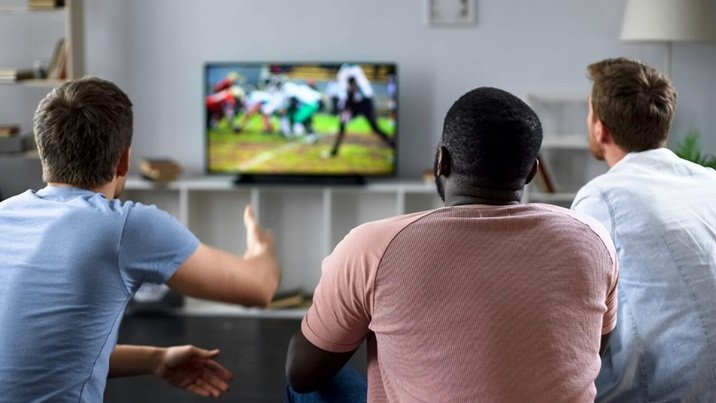
Live sports viewing has shifted as streaming platforms gain a central role in global media. Audiences follow matches through digital services while traditional television holds a smaller share. This shift covers rights deals, technology, and viewing behaviour across different age groups.
Streaming reaches beyond sports into live digital entertainment
Streaming technology extends into many forms of live content, including gaming and betting broadcasts. Platforms like Twitch and YouTube host live sessions where creators interact with viewers in real time. This format mirrors live sports viewing through chat, data overlays, and continuous engagement.
Live streaming now spans multiple sectors, including gambling. Leading online gambling platforms treat streaming as a core feature. These platforms show how casino streaming delivers live gameplay sessions where audiences follow results and reactions as they happen.
Streamers share wins and losses, while viewers track outcomes in real time. The format uses odds, spins, and table play to create a continuous viewing cycle. Operators and creators build communities around these sessions, which resemble sports fan bases in structure and loyalty. Data, timing, and audience interaction shape the entire broadcast flow.
This shows how streaming expands across sectors while keeping the same core features.
The shift in viewing share and media power
Streaming held around 47.5 percent of total TV viewership in late 2025, while cable sits near 24 percent. This change reflects a steady move toward flexible access across devices and locations. Viewers choose platforms that offer control over when and where matches appear, including global sports such as cricket alongside American leagues.
Media companies compete for exclusive rights, and streaming platforms invest heavily in major leagues. Amazon Prime Video pays about one billion dollars per season for Thursday Night Football. Peacock streams exclusive NFL Wild Card games, while Netflix holds global rights for WWE and Christmas Day NFL fixtures.
Esports also follows this shift, as major tournaments and leagues increasingly appear on streaming platforms across global markets.
Regional sports networks face financial pressure, which changes how teams reach audiences. The Vegas Golden Knights and Utah Jazz launched direct-to-consumer services for their fans. These moves show how distribution now sits closer to teams and platforms.
Interactive features reshape how matches are watched
Streaming platforms include tools that change how fans follow live sports. Multiview options on YouTube TV and Peacock allow up to four games on one screen. This creates a personalised viewing setup that traditional broadcasts cannot match.
Real-time overlays add live statistics, player profiles, and fantasy data directly onto the screen. Amazon uses its X-Ray feature to provide these insights during games. Viewers move between layers of information while the match continues without interruption.
Artificial intelligence builds tailored highlight clips based on team preferences and viewing history. Commentary can also adapt to individual interests, which creates a customised broadcast. Each viewer sees a slightly different version of the same event.
Generational habits and mobile viewing patterns
Audience behaviour plays a key role in this shift toward streaming platforms. Over 53 percent of sports fans under 35 use smartphones as their main screen. Mobile access allows matches to follow daily schedules across different environments.
Streaming platforms align with shorter attention spans through highlight clips and quick updates. TikTok and YouTube Shorts deliver bite-sized content that fits into brief viewing windows. Full match broadcasts still exist, yet shorter formats hold strong appeal.
Documentary series attract new fans and guide them toward live events. Drive to Survive increased interest in Formula 1, while Full Swing brought attention to golf. These series build context around sports and lead audiences into live coverage.
Creators and personalities shape digital viewing culture
Individual creators add a new layer to sports and gaming broadcasts. Personal channels create a direct link between the event and the audience. This connection feels immediate and continuous during live sessions.
Vegas Matt, a casino streamer on YouTube, shows how personalities attract large audiences through live gameplay. His channel holds around 1.46 million subscribers and close to two thousand videos. Viewers follow real outcomes as they happen, which mirrors the pace of live sports.
This creator-driven model spreads across sports analysis, commentary, and live reactions. Audiences gather around individuals as well as leagues and teams. Streaming platforms support this structure through chat features and subscriber systems.
Rights, technology, and behaviour connect into one system
Streaming platforms combine exclusive rights, interactive tools, and mobile access into a unified viewing system. Each element supports the others and strengthens the overall shift away from traditional television. Leagues secure higher revenue through digital deals, while viewers gain flexible access.
Technology shapes how content appears, while audience behaviour determines which features succeed. Interactive tools keep viewers engaged, and mobile access ensures constant availability. Creators and teams add personality and direct communication into the mix.
This combination explains why streaming now leads to live sports viewing. Every part of the system aligns with modern consumption patterns, which places digital platforms at the centre of sports media.