
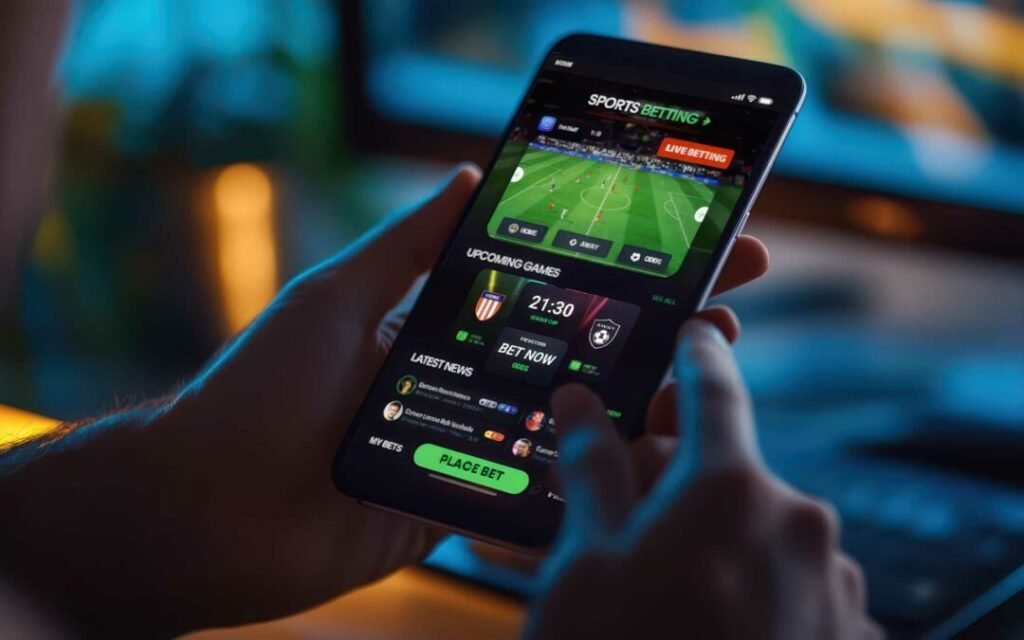
Live betting used to mean one thing: odds updating a bit faster than TV. That era’s gone. Mobile apps turned live betting into something closer to a real-time system than a betting slip. Every second counts. Every tap matters. And if the tech stutters, users notice immediately.
That’s why products like a modern kabaddi live betting app feel less like casinos and more like dashboards. You’re not just placing bets anymore. You’re reacting to a live stream of data, processed and priced on the fly.
What “Real-Time” Actually Means in Live Betting
Real-time isn’t marketing language. It’s infrastructure.
When a raid starts or a tackle lands, that event is captured, transmitted, verified, priced, and pushed to the user interface in seconds. Sometimes faster. Behind that speed sits a mix of live data feeds, automated models, latency buffers, and human oversight.
Miss the timing, and the whole system breaks. Too slow, and sharp users exploit it. Too fast, and casual users feel cheated because the odds moved before they could react. Live betting tech lives in that narrow, uncomfortable middle.
Mobile Apps Changed the Rules
Desktop betting tolerated delay. Mobile doesn’t.
Phones are personal. Always on. Always in-hand. That means users expect instant feedback. Tap a market, see odds. Tap again, place bet. Any lag feels like a bug, even if it’s intentional.
To handle this, apps rely on lightweight front ends and heavy back-end processing. Odds calculations don’t happen on your phone. They happen on remote servers designed to process thousands of micro-events per second. Your app just displays the result and handles your input.
Simple on the surface. Brutal underneath.
Why Live Betting Needs Micro-Delays
Here’s a dirty secret: not everything is truly live.
Most apps introduce tiny delays on purpose. A second here. Two seconds there. This helps sync betting markets with broadcast latency and protects against courtside or ultra-low-latency data access.
Users rarely notice these buffers unless something goes wrong. But without them, live betting becomes a race the platform can’t win. Fairness isn’t just an ethical issue. It’s a technical one.
Event Recognition Is the Hard Part
Capturing a goal or point is easy. Interpreting it correctly, instantly, is harder.
Live betting systems rely on event recognition layers that filter noise from signal. Was that tackle completed? Was the raid successful? Did the referee intervene? Different outcomes trigger different markets, and getting it wrong creates pricing chaos.
This is why automation always has human backup. Traders monitor feeds, override errors, and pause markets when reality gets messy. And it often does.
Odds Aren’t Updated. They’re Rebuilt.
One common misconception: odds simply “change.”
In reality, live odds are rebuilt constantly. Every new data input recalculates probabilities across multiple markets at once. One event affects several outcomes. That’s why a single play can shift five different lines simultaneously.
For users, this explains why markets sometimes disappear briefly. The system isn’t hiding them. It’s recalculating.
The UX Layer Matters More Than You Think
All this tech is useless if the interface can’t keep up.
Good live betting apps prioritize clarity over density. Clear buttons. Fast confirmations. Visual cues that show when odds are locked or changing. Poor UX creates hesitation, and hesitation kills live betting engagement.
The best apps feel responsive even when markets are volatile. That’s not luck. That’s design aligned with real-time constraints.
What This Means for the Bettor
Understanding the tech changes how you bet.
You stop chasing every odds movement and start watching game flow. You recognize when markets pause for a reason. You learn that speed is shared between you and the system, not owned by either side.
Live betting isn’t about predicting outcomes anymore. It’s about reacting intelligently within a system designed to move fast but not recklessly.
Closing Note
Real-time betting tech doesn’t aim to be invisible. It aims to feel reliable.
When it works, you don’t think about servers, feeds, or latency buffers. You just feel connected to the game. That feeling is engineered. Carefully. Constantly.
And in mobile live betting, that engineering is the product.