
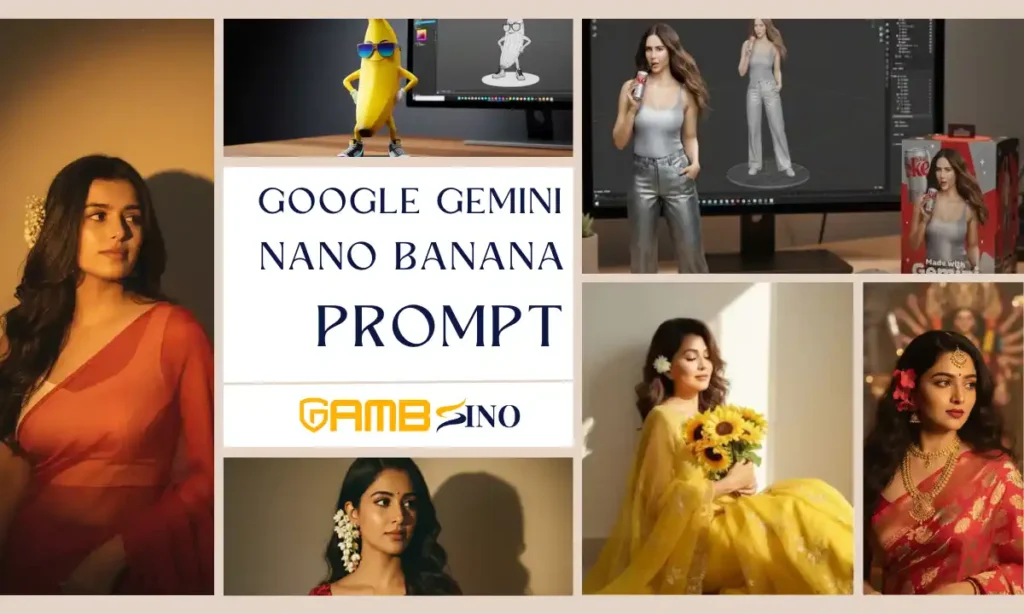
Why Everyone Is Talking About It?
Google Gemini’s Nano Banana feature has quickly become the internet’s newest obsession. From surreal portraits to cinematic couple shots, users are pushing the boundaries of AI creativity. What makes it stand out is its ability to blend hyper realism with imagination, producing edits that feel straight out of a movie scene while keeping your original features intact.
What is Google Gemini?
Google Gemini is a next-generation multimodal AI model developed by Google DeepMind. Unlike traditional AI models, Gemini can process and generate different types of content including text, images, audio, video, and code making it more versatile and powerful.
It was designed to compete with Open AI’s GPT-4, offering more efficiency, advanced reasoning, and integration with Google’s ecosystem.
Getting Started With Gemini Nano Banana: A Quick Guide
Using Nano Banana inside Google Gemini is simple and beginner-friendly. All you need is a clear photo and a bit of creativity:
- Open Gemini (app or web) and sign in with your Google account.
- Select the Nano Banana editing option.
- Upload a sharp, front-facing image.
- Type your desired prompt mention outfit, mood, and background.
- Let Gemini generate the magic in seconds.
- Save or share your AI-edited creation instantly.
You Should Try With 5 Simple Google Gemini Nano Banana Prompt
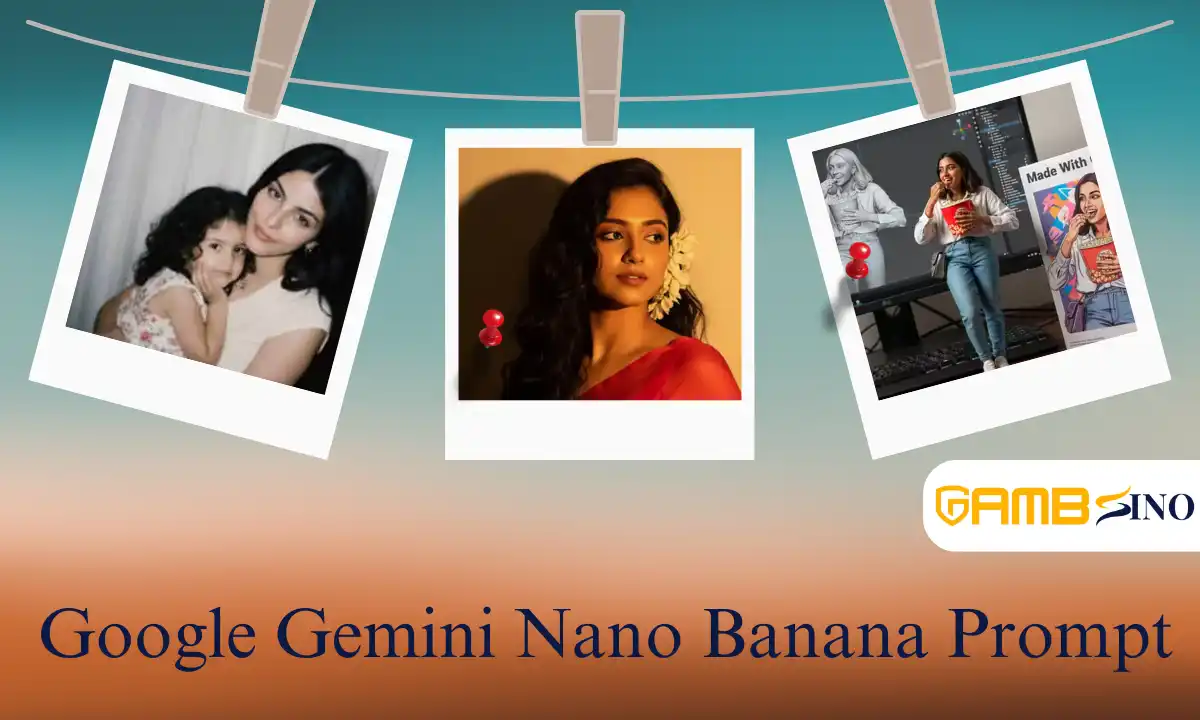
| # | Prompt |
| Future Me With Past Me | “A Polaroid-style photo of my future self hugging my childhood self, soft film grain, nostalgic golden light.” Creates a heartwarming time-travel visual. |
| Retro Saree Star Look | “Turn me into a 1970s Bollywood heroine in a pastel chiffon saree, vintage hairstyle, cinematic background, warm tones.” Brings timeless elegance to your portrait. |
| Collectible Figurine Style | “Design a detailed figurine version of me, displayed on an acrylic stand with realistic packaging box beside.” Perfect for fans of anime or collectibles. |
| Royal Pre-Wedding Shoot | “A couple photo in a palace courtyard, traditional Indian attire, flower petals in the air, evening glow, royal arches in the backdrop.” Adds grandeur to your edits. |
| My Celebrity Polaroid | “Create a Polaroid photo of me with my favorite celebrity, natural face details, warm lighting, soft blur edges.” Gives the illusion of meeting your idol. |
Common Mistakes To Avoid With Gemini Prompts
- Vague instructions lead to generic results—always specify outfits, lighting, or theme.
- Facial distortion happens if you don’t mention “keep face unchanged.”
- Poor quality photos reduce AI accuracy—upload high-resolution images.
- Overloaded prompts can confuse the AI—keep them detailed but concise.
- Skipping background details leaves outputs plain—add mood or scenery for better visuals.
Why Nano Banana Is More Than Just Another AI Editor
Gemini’s Nano Banana isn’t competing with just Photoshop or Canva it’s creating its own category. Unlike other AI tools, it:
- Understands cultural trends (Bollywood, travel, retro themes).
- Produces ultra-natural edits instead of cartoonish results.
- Is accessible to beginners, no advanced editing skills required.
- Integrates smoothly with Google’s AI ecosystem, making it widely scalable.
What’s Coming Next In AI Editing Trends
The popularity of Nano Banana shows where AI is headed. Future viral trends may include:
- Time-lapse transformations (childhood to adulthood in one frame).
- Fantasy crossovers (mythical settings like castles, dragons, or fairytales).
- Travel postcards created from casual selfies.
- Fine art overlays turning photos into oil paintings or charcoal sketches.
- Lifestyle storytelling showing daily activities in cinematic frames.
Conclusion
Google Gemini’s Nano Banana tool has unlocked a new era of AI-powered creativity. What was once limited to professional editors is now possible with a single prompt. From emotional throwbacks to grand fantasy edits, the tool has proven why it’s becoming a global trend. If you want to ride the wave and make your photos go viral, start experimenting with these prompts today—the only limit is your imagination.
FAQs about Google Gemini Nano Banana AI
What is Google Gemini?
Google Gemini is Google’s advanced multimodal AI model designed to process and generate text, images, code, and more.
How is Google Gemini different from GPT-4?
Gemini integrates deeply with Google’s ecosystem and offers enhanced multimodal reasoning, making it more versatile.
Can Google Gemini be used for photo editing?
Yes, Gemini supports AI-powered photo and video editing using simple natural language prompts.
What industries will benefit most from Gemini?
Education, healthcare, finance, content creation, and business automation are the top sectors.
What’s the future of Google Gemini?
It is expected to become a central part of Google’s ecosystem, powering AI in search, smartphones, and enterprise tools.

I recommend https://kimilf.com/ for anyone interested in consistent mature AI companions. The combination of personality, memory, and roleplay works smoothly. Image suggestions appear in context during chat. Privacy features allow full control over history. The platform supports ongoing stories effectively. Mobile optimization is good. Overall, a well-designed tool for private, realistic MILF-style experiences.
The blend of hyper-realism with imagination in these edits is fascinating. It’s interesting to see how AI can maintain original features while creating cinematic scenes. I also appreciate tools that help visualize creative concepts, such as generating perler bead patterns from images for craft projects. The versatility of this technology seems endless.
The blend of hyper-realism and imagination in these edits is genuinely impressive. It’s fascinating how the AI maintains original features while creating such cinematic results. I’ve been looking for reliable tools to enhance my creativity, and this seems like a solid option alongside other fun activities like dress up games. Does the model handle complex lighting changes well, or is it best suited for straightforward portrait adjustments?
The blend of hyper-realism with imagination while keeping original features intact is impressive. Does the tool handle detailed backgrounds well in complex cinematic couple shots? For those looking for specific guidance on prompt structures, checking resources like krillion answers might provide useful insights into mastering these techniques effectively.
The blend of hyper realism and imagination in these edits is truly impressive. It feels like stepping into a cinematic scene while keeping original features intact. I recently explored nuclear day, which shares that atmospheric tension but focuses on survival gameplay rather than photo editing. How do you balance such detailed AI generation with preserving personal likeness? The results look stunning.
The blend of hyper realism and imagination in these edits is striking. It makes me wonder how this level of AI integration might eventually influence visual styles in games, like an arrows game.
Thanks for putting these together — the ‘Future Me With Past Me’ Polaroid idea is my favourite of the five, because it shows exactly what you said about Nano Banana blending hyper-realism with imagination while keeping the original features intact. I also appreciated the warning about facial distortion; adding ‘keep face unchanged’ really does make a noticeable difference in my own tests.
One tip that has helped me a lot: lock the subject first, then describe the final image as if it already exists — for example, ‘Keep my face, hairstyle and expression exactly the same. This is a warm, nostalgic Polaroid photo of…’ — and then make only one change per follow-up request, so you can tell which wording caused a problem. I have been collecting wording that works this way on Gemini Prompts World, and that lock-first approach has saved me a lot of re-rolls.
Anyone else playing Dragon Link lately? I’ve been testing it alongside a few other jackpot-style slots, and the bonus rounds are probably my favorite part. The game has a nice balance between simple spins and those moments where things suddenly get more interesting.